
Why Guard Turnover, Not Hourly Rates, Is Driving Up Your Budget
It’s budget season, which means somewhere on your desk (or in a spreadsheet tab you keep meaning to close) is last year’s security contract, staring back at you while you decide whether to renew it as-is.
For most property managers, that’s exactly what happens. You copy the number forward, maybe bump it a few percent for market rate, and move on to the next line item. Security guard budgets rarely get the scrutiny that landscaping or janitorial does, mostly because nothing went catastrophically wrong last year. No lawsuit. No 2 a.m. call that made the news. So why mess with it?
Here’s the problem with that logic: the cost of security isn’t really the hourly rate. It’s everything that hourly rate is quietly failing to cover.
Turnover is the expense nobody puts in the budget
Ask your current vendor how many different guards rotated through your property last year. If they can’t answer quickly, that’s the answer.
The national security staffing industry runs on turnover rates that would be unacceptable in almost any other service contract — commonly cited in the 100-300% range annually. Practically, that means the guard who learned your building’s quirks in March is gone by June, and the one who replaced them is starting from zero. Every new face means retraining on access protocols, tenant names, delivery schedules, and the half-dozen unwritten rules that make a property run smoothly. None of that shows up on an invoice, but it all shows up in your incident reports.
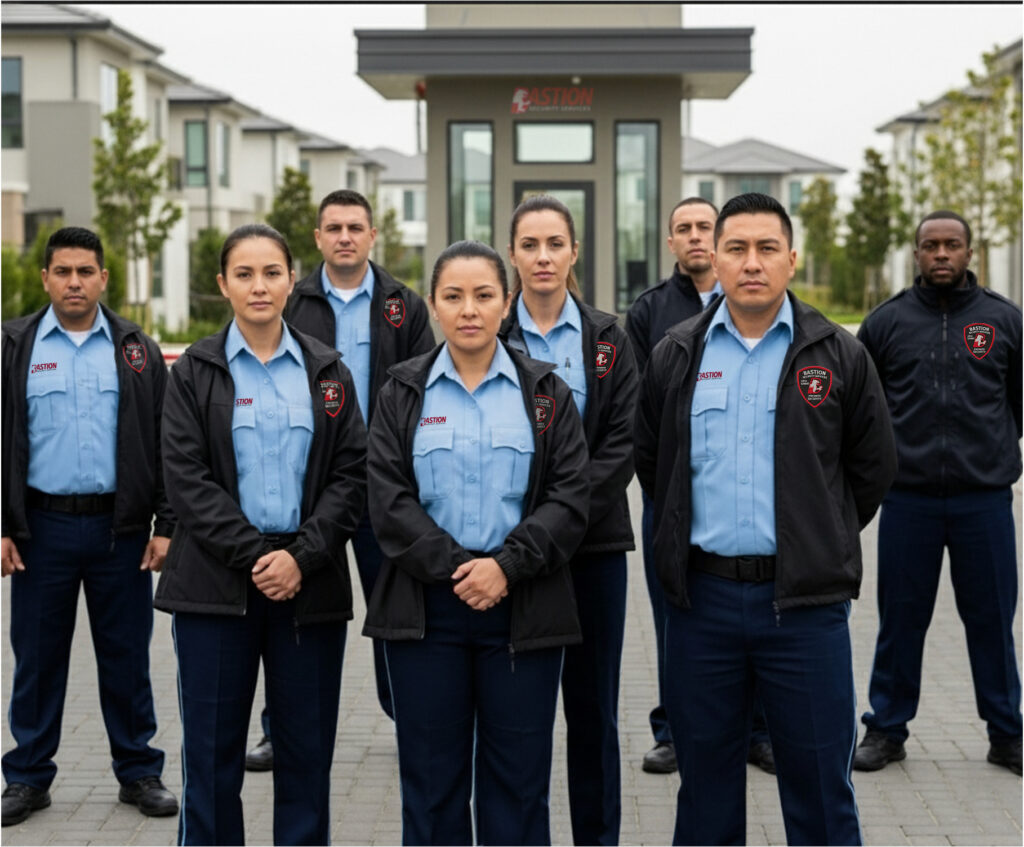
You’re not paying for security hours. You’re paying for a revolving door of strangers learning about your property in real time, on your dime, while your tenants watch.
“Coverage” and “protection” are not the same thing
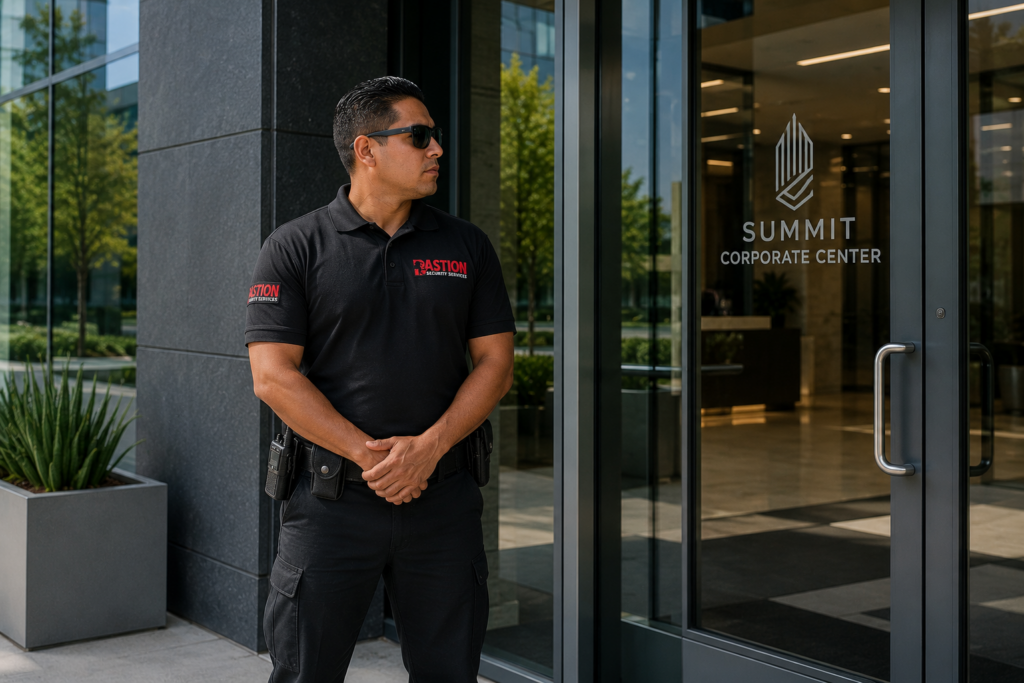
A guard standing at a desk for twelve hours is coverage. Whether that guard actually catches the tailgater, notices the propped door, or flags the visitor who’s been circling the parking structure for twenty minutes — that’s protection. And it depends entirely on whether the person in the chair is engaged, trained, and has a reason to care about your property specifically.
This is where “warm body” staffing shows up most in owner meetings after the fact: an incident happened, the guard was technically on-site, and the first question is always “how did this get missed?” Usually the honest answer involves someone who’d been on the job two weeks and didn’t know what normal looked like at your building yet.
What actually moves the needle on a budget
If you’re rebuilding your security line item instead of copying it forward from the previous year, a few shifts are worth real consideration:
Right-sizing instead of over-staffing. Not every property needs a fixed guard at every entrance around the clock. A lot of Bay Area properties are finding that a mix of targeted on-site hours plus randomized mobile patrol covers more ground, more unpredictably, for less than a full standing post, without leaving gaps that a determined trespasser could map out and exploit.
Local dispatch over a national call center. When something happens at your property at 3 a.m., the difference between a dispatcher who knows your building’s layout and one reading from a script in another time zone is the difference between a five-minute response and a twenty-minute one. Ask your current provider, plainly: who picks up that call, and where are they physically located?
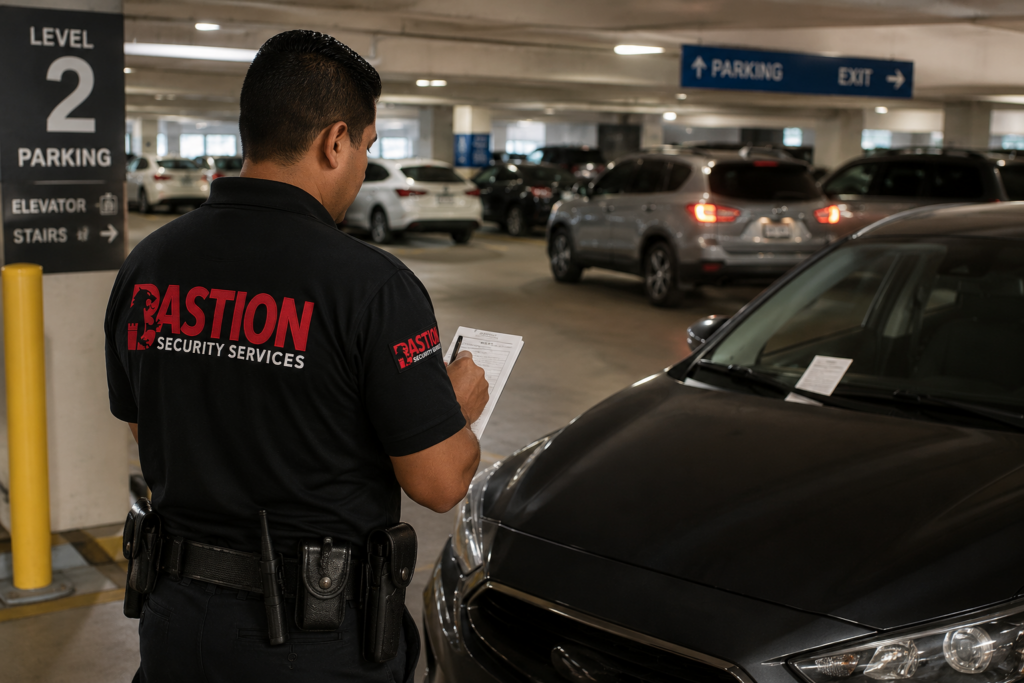
Documentation you can actually use. Your board and your insurer both want proof of service, not just an invoice. Real-time patrol logs, GPS-verified check-ins, and incident reports that hold up in a claims conversation are worth more than an extra hour of unverified guard time.
Consistency of personnel. This is the one property managers underrate most. Familiar guards build trust with residents and tenants faster than any onboarding packet, and — practically speaking — they’re the ones who notice when something’s off, because they know what “normal” looks like. A guard who’s worked your property for a year will clock a stranger in the lobby faster than one who started last Tuesday.
The questions worth asking before you sign anything
Before you finalize next year’s security guard budget number, it’s worth getting direct answers to a short list of questions from whoever’s holding your contract, current vendor or otherwise:
- What’s our guard turnover rate at this property specifically, not company-wide?
- Who answers the phone after hours, and where are they located?
- What does our reporting actually show, and could we hand it to an insurer today without follow-up questions?
- If an incident happened tonight, how long before a manager who knows this property is on-site?
If those answers are solid, you’re in good shape, and there’s no reason to change anything. But if you’re hesitating on more than one of them, budget season is the perfect window to fix it. Contracts are already being renegotiated across the board right now, transitions are expected, and nobody has to explain to tenants why security “suddenly changed”, it’s just part of the annual review.
The security line item doesn’t have to keep growing every year. It should be shrinking your risk, not just your budget flexibility. Worth a closer look before that number gets copied forward one more time.
Let’s look at your number together
You don’t have to sort this out alone, and you don’t have to wait until the budget’s already locked in to start the conversation. Bastion Security Services works with property managers, HOAs, and facilities directors across the Bay Area to optimize your security guard budget. Reach out for a no-obligation look at your current security guard spend before you finalize next year’s budget.